Hidden Gems in Florence: 15 Secrets Only Locals Know (2025)
Discover Florence beyond the tourist crowds: hidden courtyards, secret gardens, local artisan workshops, and authentic trattorias where Florentines actually eat. Your insider guide to hidden Florence.

Florence's famous attractions—David, Uffizi, Duomo—are magnificent and absolutely worth visiting. But there's another Florence: quiet courtyards where tourists never venture, artisan workshops practicing medieval crafts, tiny churches with priceless frescoes, and neighborhood trattorias where locals eat.
This guide reveals Florence's hidden gems: the secret spots, local favorites, and off-beaten-path treasures that most tourists never discover. Some are genuinely hidden; others are hiding in plain sight, overlooked by crowds rushing between major sights.
Ready to discover the Florence locals know?
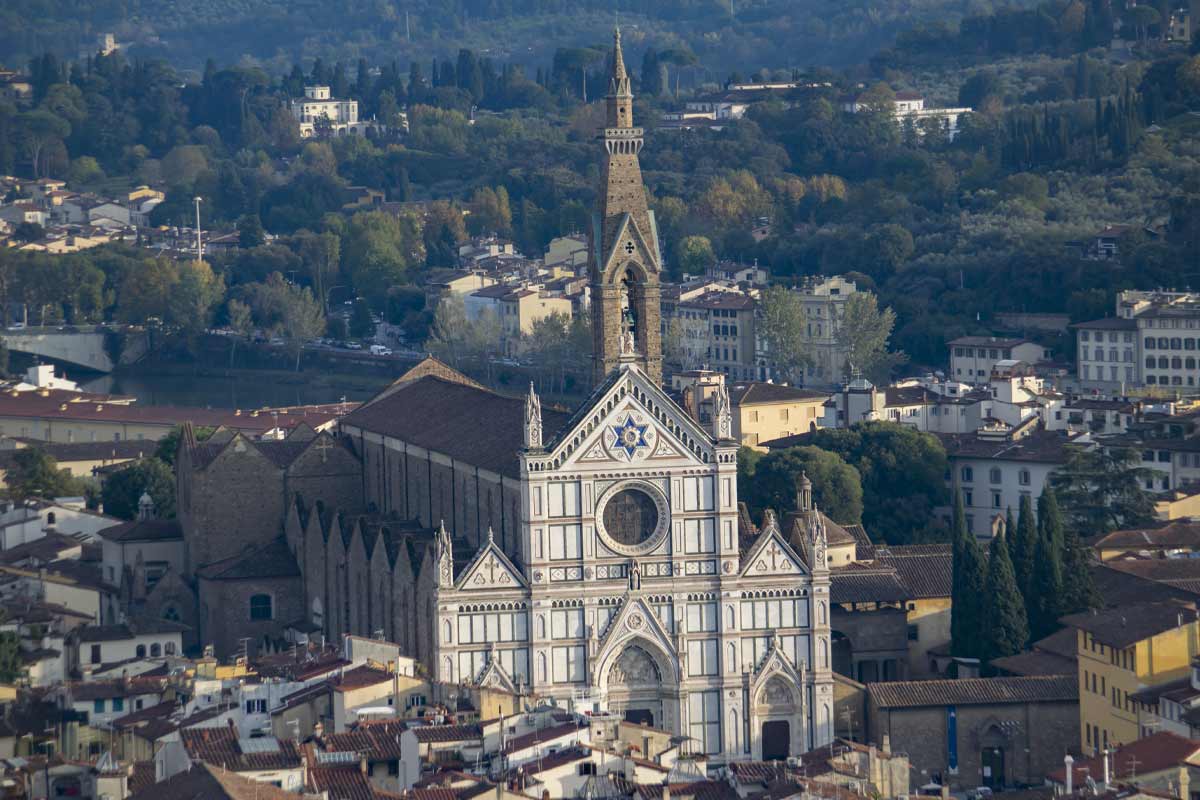
Florence's hidden gems offer authentic experiences away from the tourist crowds at major attractions.
Hidden Churches and Chapels
1. Brancacci Chapel (Santa Maria del Carmine)
What It Is:
Small chapel containing some of the most important frescoes in art history—Masaccio's revolutionary Early Renaissance frescoes (1424-1428).
Why It's Hidden:
Located in Oltrarno neighborhood, away from main tourist routes. Small, separate entrance, limited visitors allowed at once.
Why It Matters:
Masaccio's frescoes pioneered realistic perspective, light, and human emotion—influences that shaped Michelangelo, Leonardo, and Raphael. Michelangelo studied these frescoes as a young artist.
What to See:
- "The Expulsion from the Garden of Eden" (Adam and Eve's raw anguish—unprecedented emotional realism)
- "The Tribute Money" (perfect perspective and modeling)
- Compare Masaccio's work to Masolino's (painted side-by-side—dramatic difference in realism)
Visiting:
- Address: Piazza del Carmine, Oltrarno
- Tickets: €10 (reservation required)
- Time: 30-45 minutes
- Crowds: Small groups only (max 30 people at a time)
- Worth it? Absolutely, especially for art enthusiasts
2. Orsanmichele
What It Is:
Former grain market converted into a church, with exterior niches containing masterpiece sculptures by Donatello, Ghiberti, and other Renaissance masters.
Why It's Hidden:
Right between Duomo and Piazza della Signoria—but tourists walk past without noticing. Exterior sculptures are easy to miss; interior is often closed.
Why It Matters:
In the early 1400s, Florence's guilds competed to commission the best sculptures for Orsanmichele's exterior niches. This competition sparked Renaissance sculpture innovation.
What to See:
- Donatello's "St. George" (replica; original in Bargello)
- Ghiberti's "St. John the Baptist" (first life-size bronze statue since antiquity)
- Verrocchio's "Doubting Thomas"
- Interior: Orcagna's elaborate Gothic tabernacle
Visiting:
- Location: Via dell'Arte della Lana (between Duomo and Piazza della Signoria)
- Free: Exterior always visible; interior often closed
- Time: 10-15 minutes to view exterior sculptures
- Insider Tip: Most tourists walk right past—stop and look up at the niches
3. San Miniato al Monte
What It Is:
Stunning Romanesque church on a hilltop above Florence, with green-and-white marble facade, golden mosaics, and panoramic city views.
Why It's Hidden:
Requires uphill walk (or bus) from city center. Most tourists never make it here.
Why It's Worth It:
One of Florence's most beautiful churches, virtually tourist-free. Sunset vespers with Gregorian chant (sung by monks) is an unforgettable experience.
What to See:
- Green-and-white geometric marble facade (11th century)
- Golden mosaic of Christ blessing inside
- Michelozzo's Cappella del Crocifisso
- Crypt with ancient columns
- Adjacent monumental cemetery
- Panoramic terrace with Florence views
Visiting:
- Location: Hilltop above Piazzale Michelangelo
- Access: Walk uphill from Piazzale Michelangelo (10 mins) or take bus #12 or #13
- Free: No entry fee
- Time: 30-45 minutes
- Best Time: Sunset, or attend vespers (5:30pm daily—monks sing Gregorian chant)
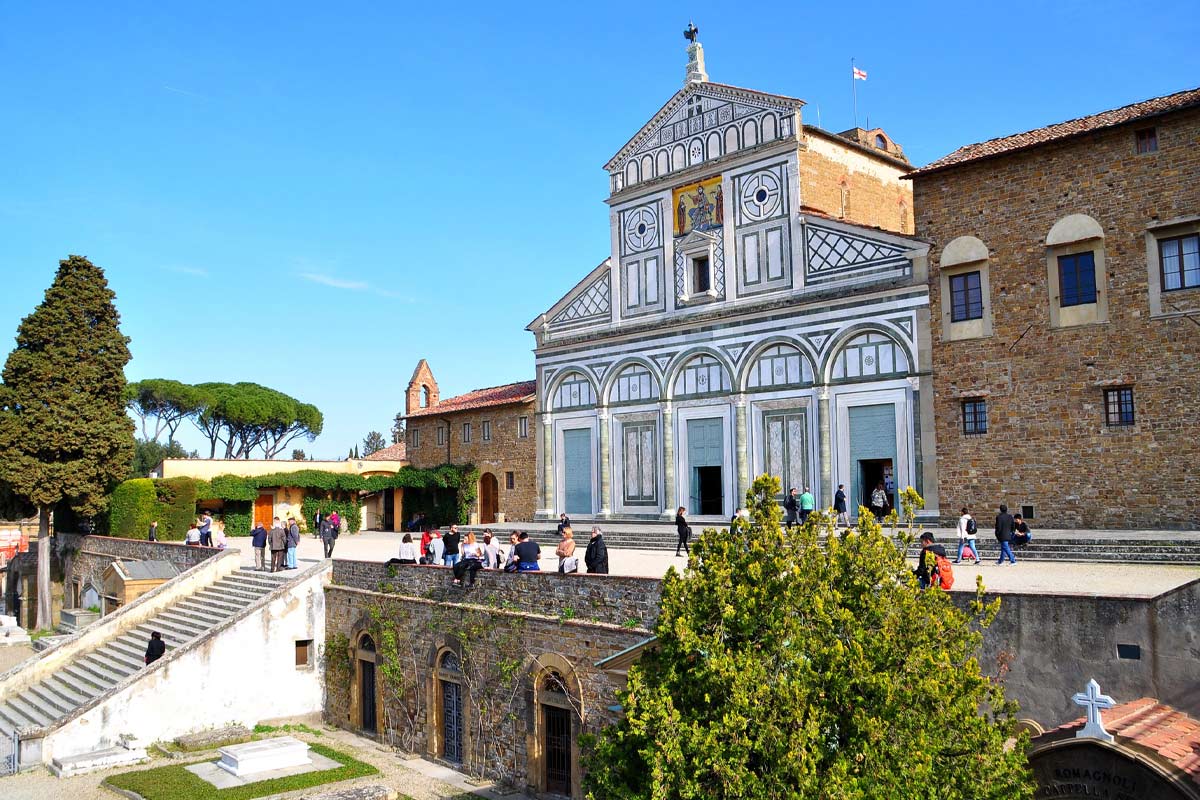
San Miniato al Monte combines stunning architecture with peaceful ambiance, far from crowded tourist sites.
4. Santissima Annunziata
What It Is:
Beautiful Renaissance church facing elegant Piazza Santissima Annunziata—one of Florence's most harmonious squares.
Why It's Hidden:
Northeast of main tourist areas. Most visitors never venture this far.
Why It's Worth It:
Stunning Baroque ceiling, peaceful atmosphere, locals praying (not tourists photographing). Adjacent Foundling Hospital (Ospedale degli Innocenti) by Brunelleschi.
What to See:
- Ornate Baroque ceiling and chandeliers
- Andrea del Sarto frescoes
- Elegant portico exterior
- Piazza Santissima Annunziata (harmonious Renaissance square)
Visiting:
- Location: Piazza Santissima Annunziata (near Accademia)
- Free: No entry fee
- Time: 20 minutes
- Combine with: Accademia Gallery (5 minutes away)
Hidden Gardens and Courtyards
5. Bardini Garden
What It Is:
Terraced hillside garden with spectacular Florence views, Baroque staircase, wisteria tunnel, and peaceful green spaces—without Boboli Gardens' crowds.
Why It's Hidden:
Overshadowed by famous Boboli Gardens. Separate entrance, less known.
Why It's Better Than Boboli:
- Fewer tourists (10% of Boboli's crowds)
- Better views of Florence (elevated hillside)
- More intimate and peaceful
- Springtime wisteria tunnel (April-May) is magical
What to See:
- Panoramic terrace overlooking Florence
- Baroque staircase cascading down hillside
- Wisteria tunnel (blooms April-May)
- English-style garden
- Hydrangea garden
- Villa Bardini museum
Visiting:
- Location: Costa San Giorgio (Oltrarno, near Ponte Vecchio)
- Tickets: €10 (combined ticket with Boboli available)
- Time: 1-1.5 hours
- Best Time: April-May (wisteria blooms), early morning, or late afternoon
- Insider Tip: Far superior to overcrowded Boboli Gardens
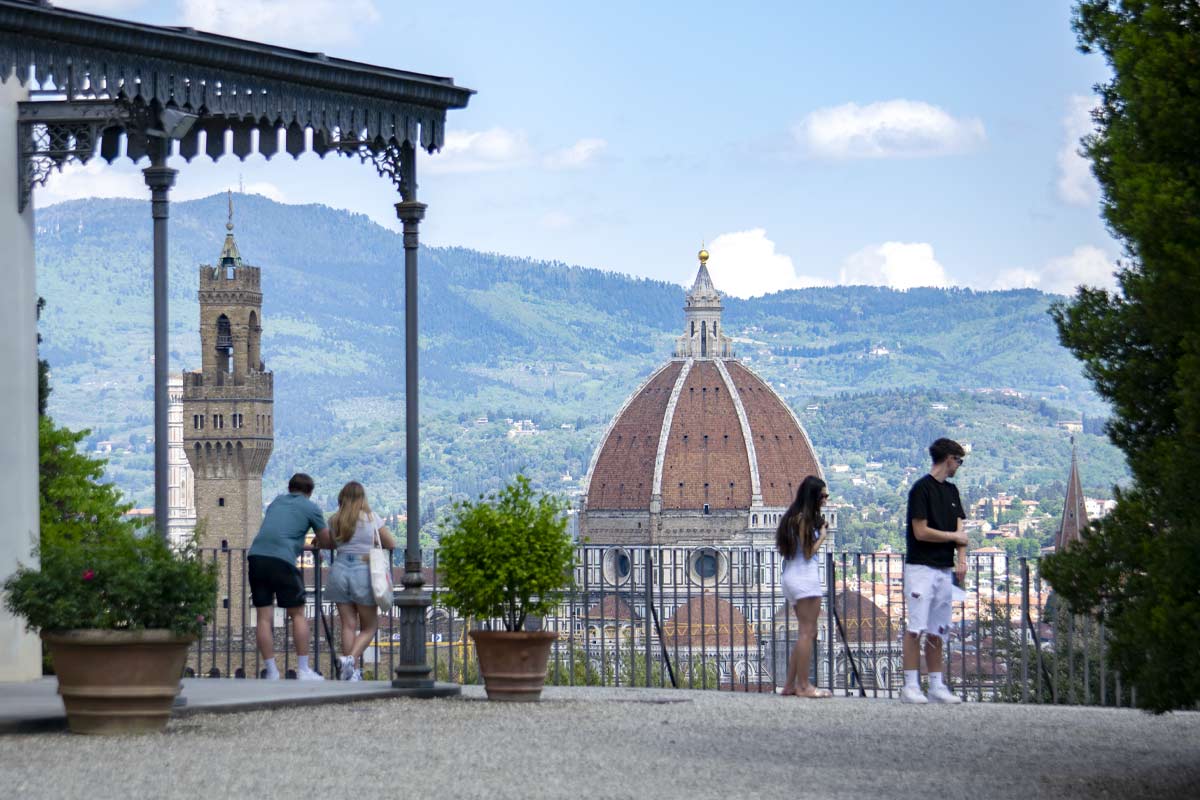
Giardino Bardini offers better views than Piazzale Michelangelo with a fraction of the tourists.
6. Torrigiani Garden
What It Is:
Florence's largest private garden (7 hectares), rarely open to public—English-style romantic garden with hidden grottoes, towers, and exotic plants.
Why It's Hidden:
Private property. Only opens for special events, garden tours, or by appointment.
Why It's Special:
Virtually no tourists—only garden enthusiasts who plan ahead. Romantic English-style landscaping (rare in Italy), mysterious grottoes, and a Gothic tower.
What to See:
- English-style romantic landscaping
- Exotic plants and ancient trees
- Gothic tower
- Hidden grottoes and water features
- Palazzo Torrigiani
Visiting:
- Location: Via dei Serragli, Oltrarno
- Access: By appointment only or special events (check official website or Florence garden tours)
- Tickets: €10-15 (when accessible)
- Time: 1 hour
- Insider Tip: Book a private garden tour that includes access
7. Chiostro dello Scalzo (Andrea del Sarto Cloister)
What It Is:
Hidden cloister with Andrea del Sarto's fresco cycle (early 1500s)—rarely visited despite being free and art-historically significant.
Why It's Hidden:
Nondescript entrance on a side street. No signage. Closed most of the time.
Why It's Worth It:
Andrea del Sarto's grisaille (gray monochrome) frescoes depicting the life of St. John the Baptist—masterful Renaissance painting, zero crowds.
What to See:
- Andrea del Sarto's complete fresco cycle (1509-1526)
- Peaceful cloister courtyard
Visiting:
- Location: Via Cavour 69 (north of Duomo)
- Free: No entry fee
- Hours: Limited hours (Monday, Thursday, Saturday morning only—verify before visiting)
- Time: 15-20 minutes
- Challenge: Often closed—check hours carefully
Hidden Artisan Workshops (Oltrarno)
8. Santo Spirito Neighborhood Artisan Workshops
What It Is:
Oltrarno's Santo Spirito neighborhood remains Florence's artisan quarter—traditional workshops practicing leather crafting, bookbinding, furniture restoration, frame-making, and other medieval-era crafts.
Why It's Hidden:
Tucked down side streets and alleyways. No signs, no tourist shops—just working artisans.
Why It's Worth It:
See traditional Florentine craftsmanship still practiced. Many artisans welcome visitors (politely) and explain their work. You can commission custom pieces.
Where to Find Them:
- Via Santo Spirito: Leather workshops, antique dealers
- Via Maggio: High-end antique shops and restoration workshops
- Borgo San Jacopo: Jewelry artisans, goldsmiths
- Via dell'Olmo: Furniture restoration
- Around Piazza Santo Spirito: General artisan area
What to See:
- Leather crafters tooling wallets, belts, bags
- Bookbinders creating marbled paper and leather-bound books
- Frame-makers gilding ornate frames
- Furniture restorers working on antique pieces
- Goldsmiths at jewelers' benches
Visiting:
- Best Time: Weekday mornings (artisans working)
- Etiquette: Knock politely, ask if you can look, don't interrupt long
- Purchase Opportunity: Commission custom leather goods, books, frames—authentic craftsmanship
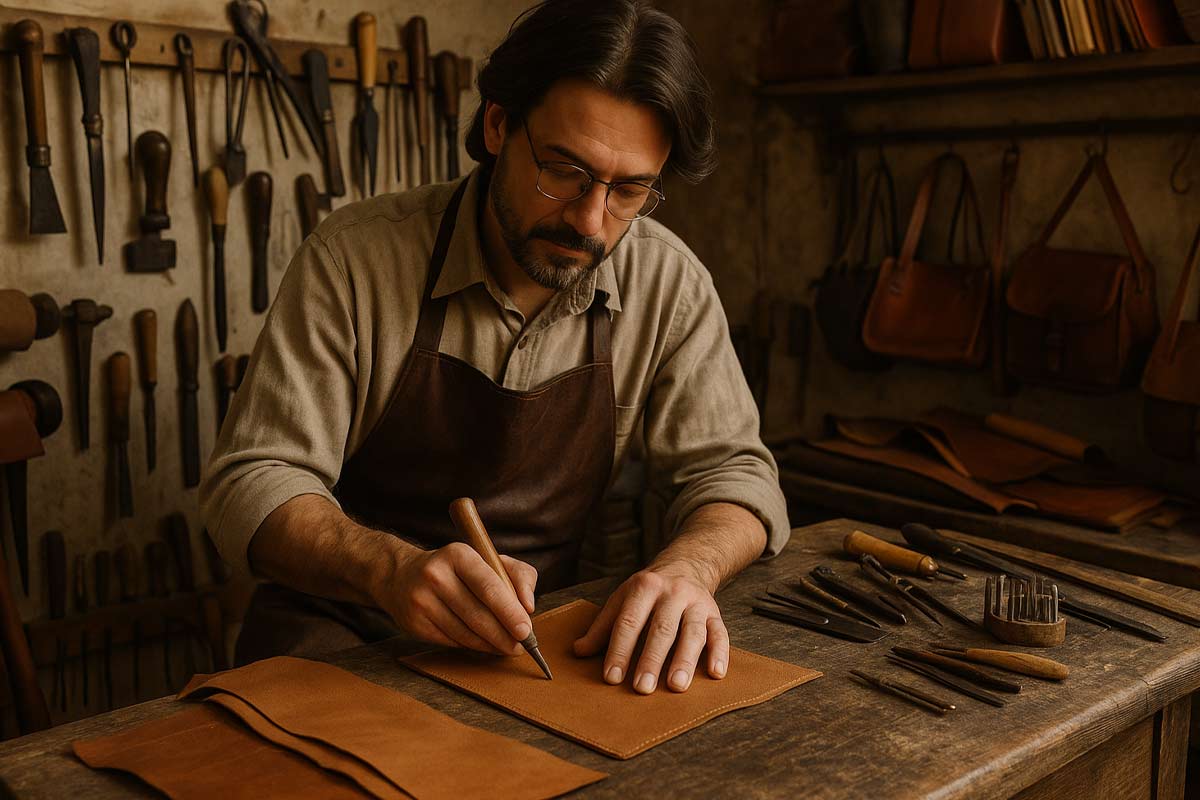
Visit family-run workshops in Oltrarno to watch master craftsmen practice centuries-old techniques.
9. Scuola del Cuoio (Leather School)
What It Is:
Traditional leather crafting school inside Santa Croce church complex—artisans handcraft leather goods while teaching apprentices.
Why It's Hidden:
Separate entrance (through Santa Croce or side entrance on Via San Giuseppe). Many tourists don't know it exists.
Why It's Worth It:
Watch master artisans tooling leather. Buy high-quality, handmade leather goods directly from makers. No tourist trap—genuine workshop.
What to See:
- Artisans hand-tooling leather wallets, bags, belts
- Students learning traditional techniques
- Showroom with finished pieces
- Optional: Take a leather-crafting workshop
Visiting:
- Location: Inside Santa Croce church complex (separate entrance: Via San Giuseppe 5r)
- Free to visit: Workshop and showroom are free
- Shopping: More expensive than tourist shops but genuine handmade quality
- Workshops: Book ahead for hands-on leather-crafting classes
- Time: 20-30 minutes browsing
Hidden Food Spots
10. Mercato di Sant'Ambrogio
What It Is:
Florence's authentic local food market—where Florentines shop for daily groceries, not tourists buying souvenirs.
Why It's Hidden:
East of Santa Croce, away from main tourist areas. Zero English signage.
Why It's Better Than Mercato Centrale:
- 100% locals (no tourists)
- Real prices (not inflated)
- Authentic Florentine market atmosphere
- Amazing inexpensive lunch spots inside
What to Experience:
- Fresh produce stalls (Tuscan vegetables, fruits)
- Butchers, fishmongers, cheesemongers
- Trattoria da Rocco (inside market—legendary cheap lunch spot, Florentines only)
- Food stalls with local specialties
- People-watching (this is real Florence)
Visiting:
- Location: Piazza Ghiberti (east of Santa Croce)
- Hours: Monday-Saturday 7am-2pm (closed Sunday)
- Best Time: Weekday morning (9-11am)
- Insider Tip: Eat lunch at Trattoria da Rocco inside market—€10 for full Tuscan meal, zero tourists, authentic atmosphere
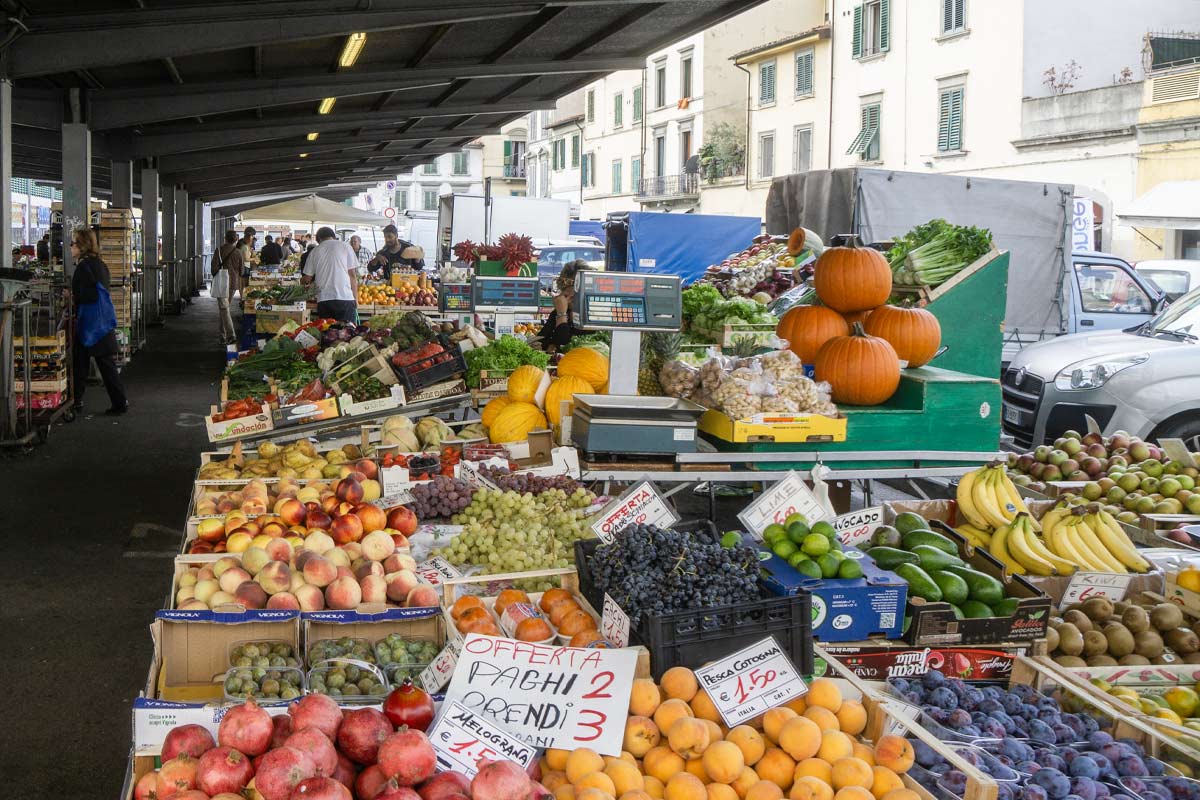
Sant'Ambrogio Market serves neighborhood residents with fresh produce and zero tourist kitsch.
11. Gurdulù
What It Is:
Tiny locals-only osteria in San Frediano neighborhood—no menu, daily specials chalked on board, dirt-cheap prices, zero tourists.
Why It's Hidden:
Tiny (seats 15), no English, cash only, no reservations, locals don't want it discovered. Walk right past it.
Why It's Worth It:
This is where Florentines eat. Authentic Tuscan food, house wine, €20 for a full meal. You'll be the only non-Italian.
What to Eat:
- Whatever the daily special is (changes daily)
- Ribollita (Tuscan bread soup)
- Pappa al pomodoro
- House wine (cheap, good)
Visiting:
- Location: Via delle Caldaie 12/14r, San Frediano (Oltrarno)
- Hours: Lunch only, Monday-Friday (closed weekends)
- No reservations: Arrive right at opening (12:30pm) or expect to wait
- Cash only
- Insider Tip: Speak minimal English—this is for locals. Be respectful.
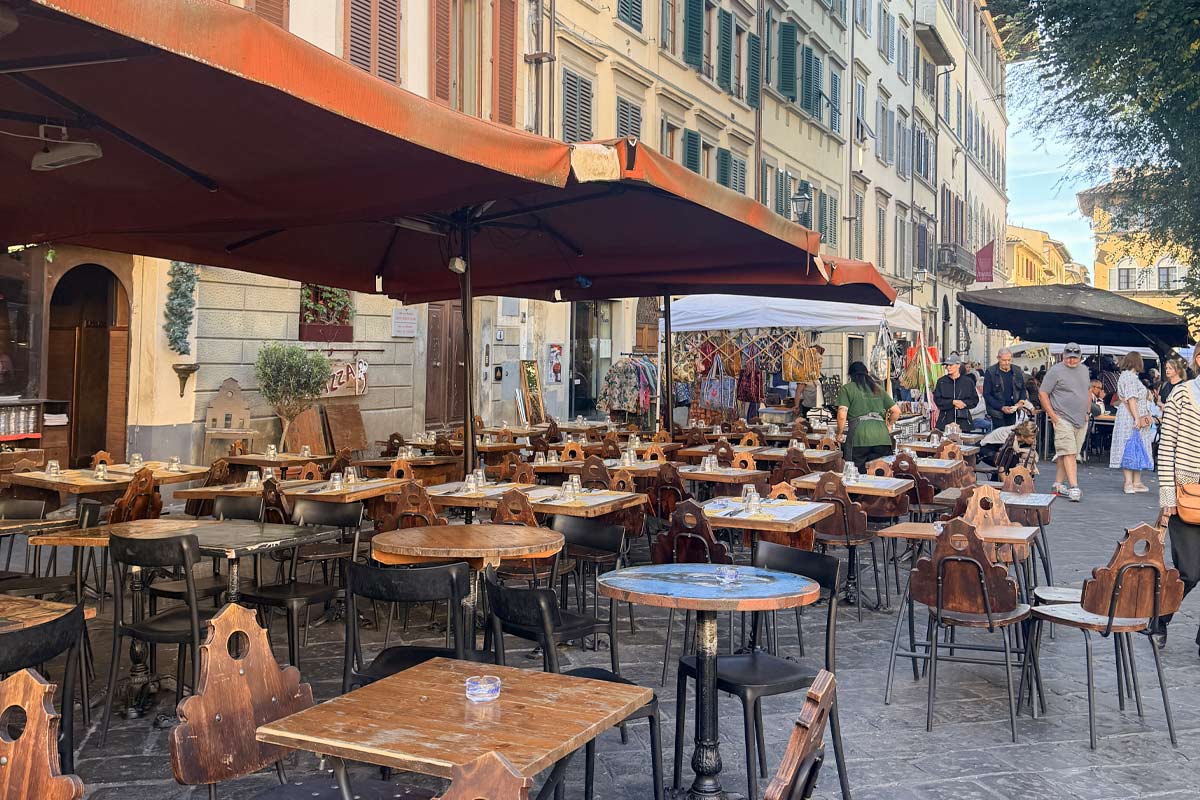
Locals avoid touristy restaurants and frequent family-run trattorias in residential neighborhoods.
12. Il Santino
What It Is:
Tiny wine bar in Oltrarno with exceptional natural wines, gourmet small plates, and knowledgeable staff—locals' favorite.
Why It's Hidden:
Tiny (15 people max), side street, no signage. Easy to miss.
Why It's Worth It:
Best wine selection in Florence (natural, biodynamic), creative small plates, intimate atmosphere, fair prices.
What to Order:
- Ask staff for wine recommendations (they know their stuff)
- Small plates (cured meats, cheeses, creative appetizers)
- Tuscan natural wines
Visiting:
- Location: Via Santo Spirito 60r, Oltrarno
- Hours: Afternoon/evening (closed Monday)
- Reservations: Not accepted—arrive early or expect to wait
- Price: €30-40 per person
- Insider Tip: Go around 6pm for aperitivo hour
Hidden Views and Photo Spots
13. Torre di Arnolfo (Palazzo Vecchio Tower)
What It Is:
Palazzo Vecchio's tower—offering Florence's best 360-degree panoramic views, with far fewer tourists than Duomo Cupola climb.
Why It's Hidden:
Overshadowed by famous Duomo climb. Separate ticket, requires Palazzo Vecchio entry.
Why It's Better Than Duomo:
- Fewer tourists (70% less crowded)
- 360-degree open-air views (Duomo views are through small windows)
- See the Duomo from outside (stunning)
- Easier climb (fewer steps)
What to See:
- Duomo and cupola from outside (iconic view)
- Ponte Vecchio and Arno
- Surrounding hills and Tuscan countryside
- Florence rooftops and towers
Visiting:
- Location: Piazza della Signoria
- Tickets: €12.50 (includes Palazzo Vecchio museum + tower)
- Time: 15-20 minutes at top; 45 minutes total with museum
- Best Time: Late afternoon or sunset
- Insider Tip: Much less crowded than Duomo, better views
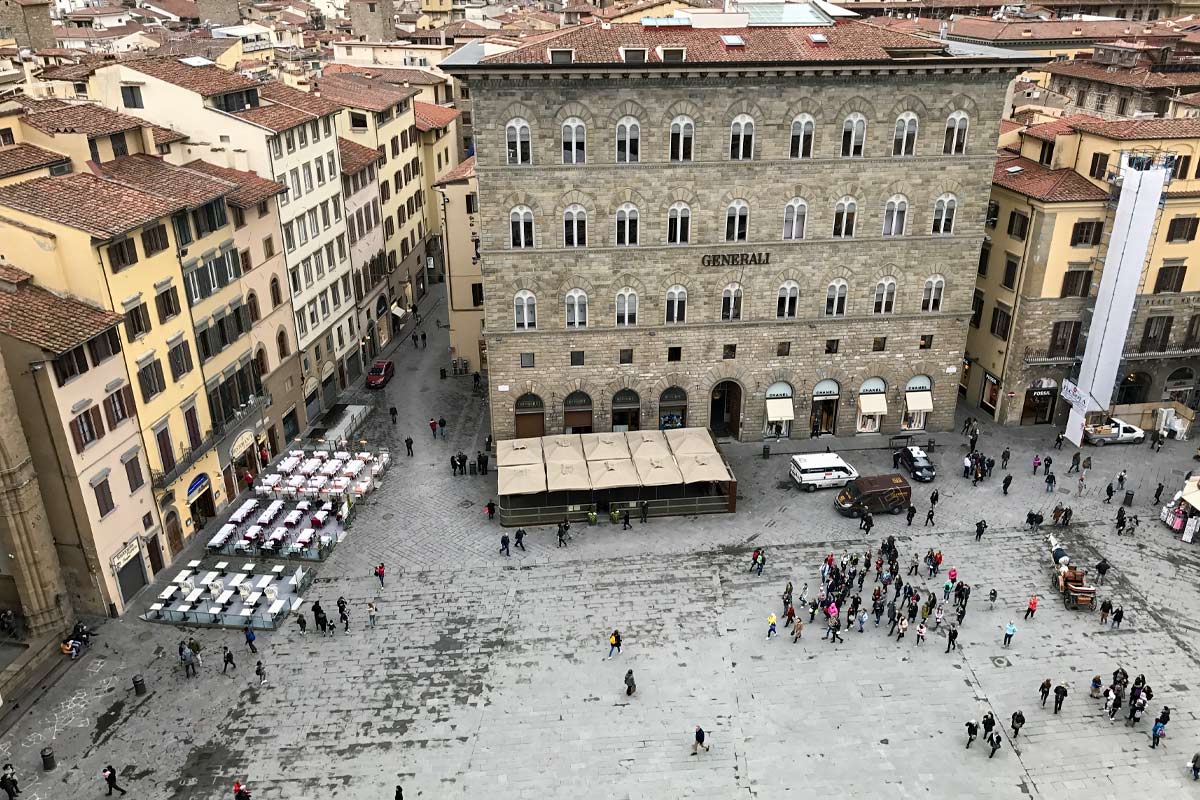
Climb Torre di Arnolfo for 360° views of Florence without the crowds of the Duomo cupola.
14. Rose Garden (Giardino delle Rose)
What It Is:
Terraced hillside rose garden below Piazzale Michelangelo—1,000+ rose varieties, Florence views, peaceful, and free.
Why It's Hidden:
Below Piazzale Michelangelo (most tourists never descend the stairs). No signage.
Why It's Worth It:
- Free
- Far fewer tourists than Piazzale Michelangelo above
- Beautiful Florence views
- Blooming roses (May-June)
- Peaceful garden atmosphere
- Japanese garden section
What to See:
- 1,000+ rose varieties
- Terraced gardens descending hillside
- Florence views (similar to Piazzale Michelangelo but quieter)
- Sculptures by Jean-Michel Folon
Visiting:
- Location: Below Piazzale Michelangelo (descend stairs from main terrace)
- Free: No entry fee
- Best Time: May-June (roses bloom), early morning, or late afternoon
- Time: 30 minutes
- Insider Tip: Combine with Piazzale Michelangelo but spend more time here (better atmosphere)
15. Ponte alle Grazie
What It Is:
Arno bridge east of Ponte Vecchio—far fewer tourists, better views of Ponte Vecchio, peaceful riverside walks.
Why It's Hidden:
Five minutes from Ponte Vecchio, but tourists stop at Ponte Vecchio and never continue east.
Why It's Worth It:
- Beautiful views of Ponte Vecchio from distance
- See Uffizi Gallery from riverside
- Almost no tourists
- Peaceful Arno riverside walk
What to See:
- Ponte Vecchio views (better from here than from Ponte Vecchio itself)
- Arno riverside reflections
- Uffizi Gallery exterior from riverside
- Continue east along Lungarno for quiet walks
Visiting:
- Location: 5 minutes east of Ponte Vecchio along the Arno
- Free: Public bridge
- Best Time: Sunset (golden hour light on Ponte Vecchio)
- Insider Tip: Walk here for Ponte Vecchio photos instead of Ponte Santa Trinita (less crowded)
Insider Tips for Discovering Hidden Florence
1. Get Lost in Oltrarno
Why:
Oltrarno (south of Arno) remains Florence's most authentic neighborhood—artisan workshops, local trattorias, quiet streets.
How:
Cross Ponte Vecchio, turn away from Pitti Palace, wander side streets around Santo Spirito and San Frediano neighborhoods. Don't follow a map.
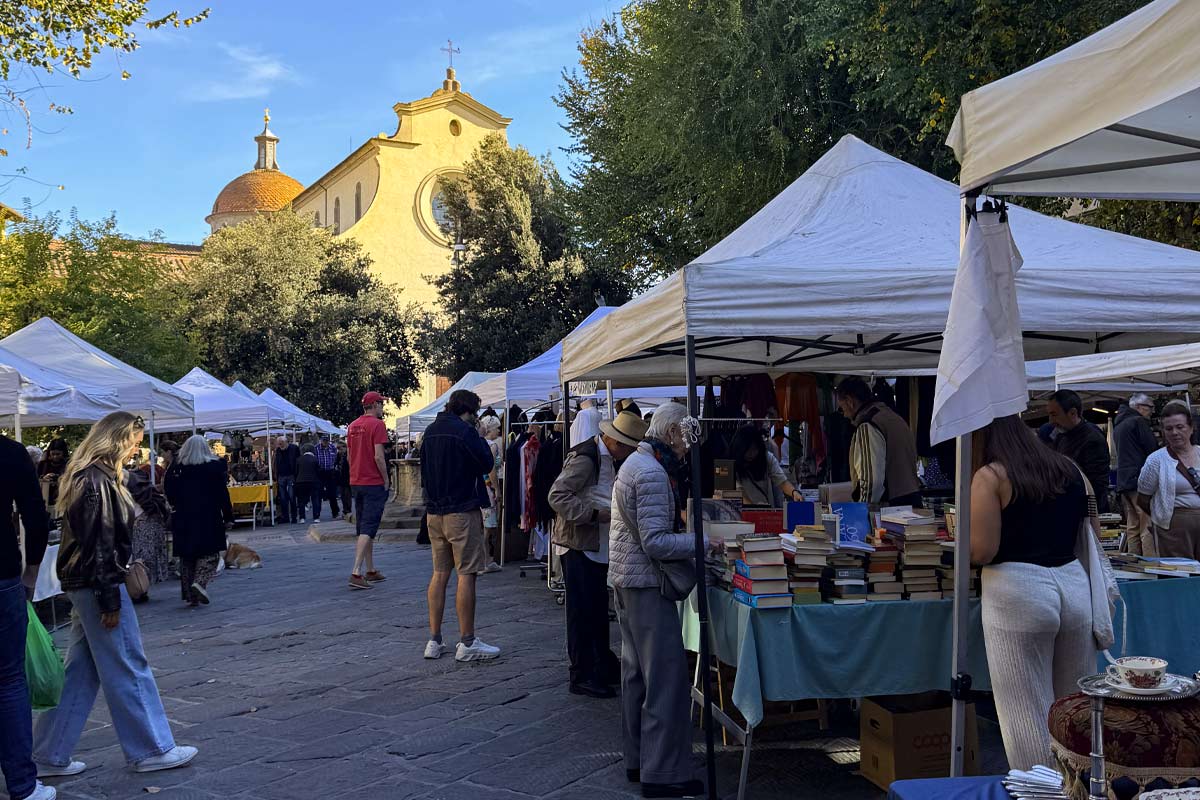
Piazza Santo Spirito is where Florentines gather for aperitivo, far from tourist-packed Piazza della Signoria.
2. Visit Churches During Mass
Why:
Experience churches as living places of worship, not museums. Often free entry during services (sit respectfully in back).
When:
Sunday morning mass, weekday evening vespers.
3. Shop Where Florentines Shop
Avoid:
Via de' Calzaiuoli, streets surrounding Duomo—tourist trap shopping.
Shop Instead:
- Via Maggio (Oltrarno): Antiques
- Via Santo Spirito (Oltrarno): Artisan workshops
- Around Sant'Ambrogio Market: Neighborhood shops
- San Lorenzo leather market: Some tourist traps, but genuine artisans remain (look for workshops, not stalls)
4. Eat Where There's No English Menu
Rule of Thumb:
If the menu is in English, it's for tourists. Authentic trattorias have Italian-only menus (or no menu—just daily specials).
Ask Locals:
Florentines love their food. Ask your hotel/Airbnb host, shopkeepers, or artisans where they eat.
5. Visit in the Off-Season
When:
November-February (except Christmas/New Year week)
Why:
- Hidden spots stay hidden (fewer tourists discovering them)
- Locals reclaim their city
- Authentic Florence atmosphere returns
6. Go Early or Late
Secret hours:
- Before 9am: City wakes up, locals at cafés, no tour groups yet
- After 7pm: Day-trippers leave, locals come out for evening passeggiata (stroll) and dinner
7. Learn Basic Italian
Why:
Many hidden spots (local markets, neighborhood trattorias, artisan workshops) expect Italian. Even basic phrases help enormously.
Essential Phrases:
- "Buongiorno" (good morning)
- "Posso dare un'occhiata?" (Can I take a look?)
- "Quanto costa?" (How much?)
- "Grazie" (thank you)
What "Hidden" Really Means
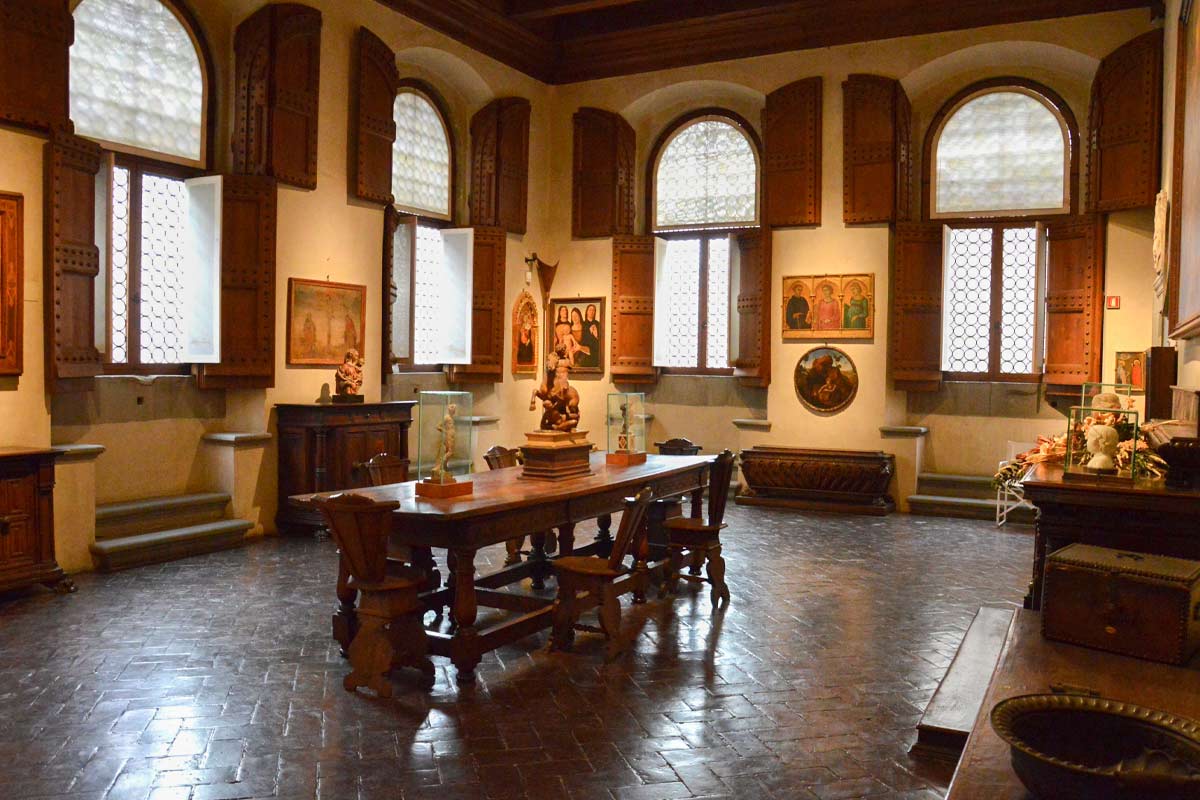
Museo Horne preserves an intimate Renaissance collection in a beautifully maintained palazzo.
Clarification:
These places aren't secret. Florentines know them well. They're "hidden" from the main tourist routes and overlooked by most visitors rushing between famous sights.
Respect:
When visiting local spots (markets, neighborhood trattorias, artisan workshops):
- Be polite and unobtrusive
- Don't expect English
- Respect that these are working places, not tourist attractions
- Don't over-share on social media (some spots stay special because they're not overrun)
Conclusion: The Florence Tourists Never See
Florence's famous attractions are world-class—don't skip them. But the hidden Florence—quiet courtyards, artisan workshops, neighborhood trattorias, secret gardens—reveals the city's soul.
Why Hidden Florence Matters:
This is the Florence that Florentines experience daily. It's not preserved for tourists; it's living, working, evolving. When you discover hidden Florence, you're seeing the real city.
Final Advice:
- Wander without a map (best discoveries happen accidentally)
- Visit Oltrarno (most authentic neighborhood)
- Eat where locals eat (no English menus)
- Explore early morning or evening (avoid midday crowds)
- Be respectful (you're a guest in living neighborhoods)
The best Florence experiences can't be Googled. They're found by slowing down, observing, asking locals, and venturing beyond the main routes.

Use this insider map to discover Florence's hidden gems like a local, avoiding tourist traps.
Ready to explore hidden Florence? Join our Oltrarno artisan walking tour with local guides who know the secret spots.
Want personalized recommendations for hidden Florence? Our local team shares insider tips tailored to your interests.
Book a guided tour in Florence
We are a licensed Florence tour operator running small-group museum tours with local guides. Browse our tours.
Florence With Locals S.r.l. — Via Taddea 35/R, 50123 Firenze (FI), Italy · P.IVA / VAT IT07564730484 · Registro Imprese di Firenze 07564730484 · REA FI-712305 · SCIA – Agenzia di viaggi e tour operator (ATECO 79.11) — SUAP Comune di Firenze, prot. 07564730484-23072026-0853.
contact@florencewithlocals.com · +39 327 249 1282 · PEC withlocals@pec.it